
What Should a Dead Animal Removal Service Charge for a Roof Job?
If you are researching dead animal removal roof cost Brisbane, you are probably not looking for a vague answer. You want to know what makes one job straightforward and another more involved, what should be included, and how to avoid agreeing to a service that does not match the real problem. That is exactly what this guide explains.
The short answer is that dead animal roof removal should be quoted around the actual scope, not a generic number. The condition, access and treatment requirements can change from one property to the next. So rather than publishing a figure that may not apply to your situation, this guide shows you what affects the quote and what to ask before booking.
Quick Answer: Why the Quote Can Vary
There is no useful one-size-fits-all figure for dead animal roof removal. The final quote depends on the job that is actually in front of the technician. Two properties can ask for the same service and still need very different amounts of time, preparation, equipment and follow-up. The most reliable way to understand the cost is to look at the scope: locating the animal, safe roof or cavity access, removal and disposal, sanitisation and odour treatment, and access openings, contaminated material or repair work. A clear provider should explain those variables before you approve the work, rather than relying on a headline number that may not match your property.
What Usually Changes the Quote?
Start with the physical scope. For this type of job, the biggest variables are locating the animal, safe roof or cavity access and removal and disposal. Then there are practical details such as sanitisation and odour treatment and access openings, contaminated material or repair work. None of those automatically means the job will be difficult, but they explain why a quote based only on a service name can be misleading. Photos, an accurate description and honest information about the condition usually help the provider understand the likely scope before arrival.
Example: Why Two Similar Enquiries Can Need Different Work
Imagine two roof jobs where one carcass is beside the manhole and the other is hidden deep in the eaves. On paper, both customers may describe the enquiry with the same short phrase: 'dead animal roof removal'. In practice, the technician is assessing two different jobs. One may be straightforward and accessible; the other may need extra testing, preparation, treatment or follow-up. That is why the better question is not simply 'what does it cost?' but 'what exactly is included for my situation?'
When someone says 'there is a dead animal in the roof', that can describe a 45-minute recovery beside the manhole or a half-day search in a difficult cavity. So the fairest way to judge a quote is not by one headline number; it is by what the number includes.
Near Me Dead Animal Removal Brisbane states that quoting is agreed before work begins and that sanitisation is included on every job. That makes the scope of the quote the right place to start. For related guidance, see dead animal removal in Brisbane.
What should a roof quote account for?
There is no single fair quote for every roof. These are the components that should explain the number.
These figures are planning guides, not a fixed quote. Final quoting depends on the actual scope, access, condition and treatment required.
The five parts of a fair quote
- Locating the animal
- Safe access and recovery
- Removal and disposal
- Treatment of the affected area
- Clear explanation of any access or repair work
If a cheap quote covers only 'removal', ask what happens to contaminated material and odour treatment. If an expensive quote includes access construction, insulation removal and repair, compare it with another quote that includes the same scope.
Reasonable extras versus surprise extras
A difficult roof, after-hours attendance, specialist access, large contaminated areas or reinstatement can reasonably cost more. What is not useful is discovering those charges only after the work has started. Ask for the triggers that could change the quote before authorising the job.
Example: why two quotes can look far apart
One provider may quote only the carcass recovery. Another may include inspection, sanitisation and deodorising. The second number can look higher while actually covering more work. Put both quotes side by side and compare inclusions line by line.
Questions to ask on the phone
- Is sanitisation included?
- Is there a separate call-out fee?
- What happens if the carcass cannot be reached through the manhole?
- Is disposal included?
- Will I approve any extra work before it starts?
- Do you provide photos or a written summary if requested?
Why locating the carcass can take longer than removing it
Customers often picture dead-animal removal as a pickup job, but the difficult part is frequently finding the source. Odour travels through roof cavities, wall voids, ducts and gaps around services, so the room where the smell is strongest may not sit directly below the carcass. A technician may need to inspect several likely areas and work from odour, insect activity and building layout. Once the animal is visible and reachable, physical removal can be relatively quick. This is why access and location should be treated as real components of the quote rather than expecting every job to have the same flat quote.
Roof, wall and subfloor jobs are not equivalent
An animal lying beside an accessible roof hatch is one of the simpler scenarios. A carcass deep in an eave, behind a sealed wall or under a low subfloor can require more time and a different access plan. In some cases, building material may need to be opened and later reinstated. That work should be discussed before it happens. Ask whether the removal provider performs access and making-good work themselves or whether another trade may be needed. A transparent quote separates recovery from building repair instead of hiding both under one vague service fee.
What contamination can add to the scope
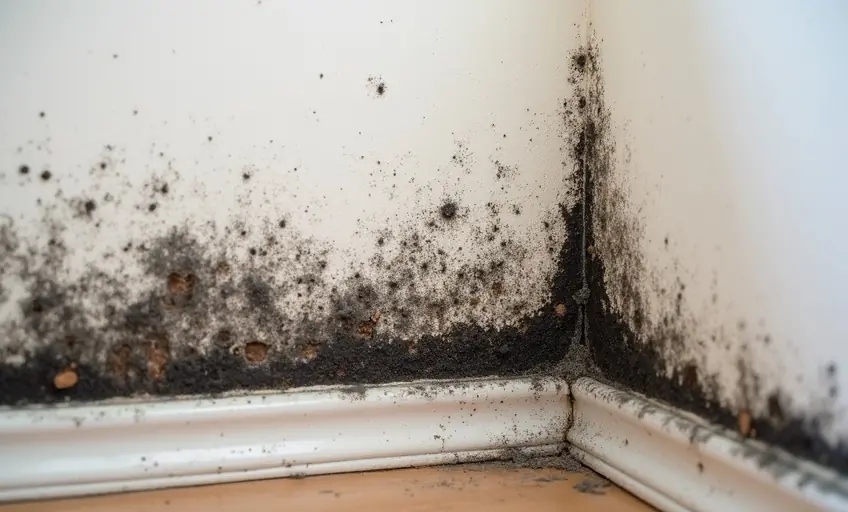
As decomposition progresses, fluids and odour can affect insulation, timber, plasterboard or other nearby materials. Flies and other insects may also be attracted to the carcass. Removing the animal addresses the source, but contaminated absorbent material can sometimes need separate attention. The amount of affected material, not simply the animal species, can therefore change the quote. Ask the technician what will be removed, what will be treated in place and what may need replacement. This is especially important when insulation or ceiling material has visible staining.
Odour treatment is not the same as masking the smell
Fragrance alone does not solve a decomposition problem. The priority is to remove the source and address affected material. Odour treatment can then be used as part of the cleanup, but the expected result depends on how long the carcass has been present and what has absorbed decomposition fluids. A good provider should explain the process without promising instant perfection in every severe case. If a smell remains after removal, ask whether more contaminated material needs to be found rather than repeatedly adding deodoriser. For related guidance, see areas we service.
Why early action can reduce total cost
Time can matter because decomposition progresses and insects can spread from the source. A recently deceased animal in an accessible location may be a contained recovery; the same carcass left for longer can affect a wider area of insulation or lining. That does not mean every smell is an emergency, but delaying a known carcass rarely makes the cleanup easier. When you first notice the problem, record where the odour is strongest and whether it changes with heat or airflow, then contact the provider with those details. Better information can speed up the inspection.
Roof spaces can contain electrical wiring, fragile ceiling surfaces, heat and restricted movement. High or steep exterior roofs add fall risk. Customers should not assume that squeezing into a cavity is a trivial part of the service. A provider may decline unsafe access or recommend another method. From a quoting perspective, the safest plan can take more time than a simple pickup, but that is preferable to damaging the ceiling or creating an injury risk. Tell the provider about manholes, ceiling type, storeys and any known access limitations before the visit.
Example: three quotes that are not actually comparable
Quote A may cover inspection and carcass removal only. Quote B may include removal, disposal, sanitisation and odour treatment. Quote C may include all of that plus opening and reinstating a section of ceiling. Looking only at the totals makes Quote A appear cheapest, but the customer may still need to pay for the missing work. Ask each company to state the included steps and the circumstances that would trigger extra charges. Once the scopes match, the quotes become much easier to judge.
What information helps a provider quote the job
Tell the provider the property type, number of storeys, where the smell is strongest, how long it has been noticeable, any recent animal noises and whether there is a roof manhole or other access. If you can safely take photos of the access point from inside the home, they can be useful; do not climb into an unsafe roof space just to get pictures. Mention any ceiling stains, flies or known trapped animal. These details cannot guarantee an exact phone quote, but they make the initial range more meaningful.
A practical checklist before authorising extra work
Before work starts, confirm the inspection or call-out charge, what removal includes, disposal, sanitisation, odour treatment and the policy for difficult access. If the technician discovers contaminated insulation or the need to open building material, ask for the additional scope and quote before proceeding where practical. After removal, ask what was found and whether any repair or prevention work is recommended. Clear approval points prevent a straightforward service from turning into an unexpected bill.
After the carcass is removed
Ask the technician whether the source was fully removed, what surrounding material was treated and whether any contaminated insulation or building material remains. Odour should improve once the source is gone, but severe contamination may not disappear the moment the technician leaves. Follow any ventilation or access advice and monitor the affected area. If flies, staining or strong odour persist beyond the expected period, contact the provider rather than repeatedly masking the smell. Also ask whether an obvious animal entry point was found. Removal solves the immediate problem; prevention may require separate pest, wildlife or building work.
What Should a Clear Quote Explain?
A useful quote should identify the areas or items included, the proposed service method, preparation requirements, likely limitations and any circumstances that could change the scope. If follow-up, specialist treatment, access work or another trade could be needed, that should be discussed before the work expands. This makes it much easier to compare providers fairly. A short quote is not necessarily a bad quote, but it should still be specific enough that you know what problem the service is intended to solve.
How to Compare Two Quotes Without Looking Only at the Total
Put the inclusions side by side. Check whether both providers are treating the same areas, allowing for the same preparation and addressing the same underlying issue. One quote can look lower simply because it excludes a step that another provider considers necessary. Ask what is included, what is excluded, what could trigger additional work and what you should expect after the appointment. Comparing scope first prevents a cheaper-looking quote from becoming the less useful option. For related guidance, see contact our removal team.
When Is It Worth Getting the Job Assessed First?
An assessment becomes especially useful when the condition is uncertain, access is difficult or the problem may extend beyond what you can see. With dead animal roof removal, visible signs do not always tell you the full scope. An assessment gives the technician a chance to confirm the condition, explain realistic outcomes and recommend the appropriate service rather than guessing. It also gives you a better basis for deciding whether to proceed now, stage the work or address another contributing issue first.
How to Make the Booking Smoother
Give the provider accurate information from the beginning. Mention access restrictions, the affected areas, how long the issue has been present and anything you have already tried. Send clear photos where practical. Ask what needs to be moved or prepared before arrival and what drying, ventilation, exclusion or follow-up instructions apply afterward. A few minutes of preparation can prevent misunderstandings and help the technician arrive ready for the actual job.
Frequently Asked Questions
Can I get an exact quote without an inspection?
Sometimes a provider can give guidance from photos and a detailed description, but an exact scope may require seeing the condition and access. The more variables involved, the more useful an on-site assessment becomes.
Why can two quotes for the same service be different?
Because the inclusions may be different. One provider may allow for more preparation, specialist treatment, follow-up or access work. Compare the written scope rather than assuming both quotes describe the same job.
What information should I send when asking for a quote?
Send photos where practical, describe the affected area, mention access and explain the condition honestly. For dead animal roof removal, those details help the provider understand what equipment, preparation and treatment may be required.
Should I choose the cheapest option?
Choose the service that appropriately addresses the problem and clearly explains its scope. A lower quote can be good value when it covers the work you need; it is less useful when important steps are excluded or unclear.
Can the scope change after work starts?
It can if hidden damage, contamination, access problems or a different condition is discovered. A professional provider should explain what was found and seek approval before carrying out additional work outside the agreed scope.
Ready to Get a Clear Dead Animal Roof Removal Quote?
If you are dealing with dead animal roof removal and want to know what the job actually involves, start with the scope rather than guessing. Send Near Me Dead Animal Removal Brisbane the details of the property, the affected area and any access or condition concerns. The goal is a quote based on your real situation, with the inclusions explained before work begins.
A clear assessment now can save you from booking the wrong service, overlooking an important part of the job or discovering avoidable surprises later.
Get started: visit the website