Dead Possum in the Roof: What to Do in a Brisbane Home
A strong smell from the ceiling, unusual fly activity and the sudden end of heavy footsteps in the roof can make a Brisbane homeowner worry that a possum has died overhead. It is a confronting problem, particularly when the source cannot be seen and the affected room is used every day.
If you are searching for “dead possum in roof what to do”, start with safety and assessment—not climbing into the roof void. Smell and noises can indicate a possible animal problem, but they do not confirm the species or its exact location. Rats and possums can be confused, and access around wiring and ceiling insulation creates hazards for anyone unfamiliar with the space.
For a suspected carcass, the relevant service is dead possum removal in Brisbane. An inspection should identify what can safely be accessed and what treatment may be needed afterwards.
What Are the Signs of a Dead Possum in the Roof?
A persistent unpleasant odour is a common reason people first seek help. It may be stronger near a ceiling hatch, roof edge or particular room, although ventilation can carry the smell elsewhere. You may also notice flies, marks on a ceiling or earlier heavy movement noises that have stopped.
These signs warrant attention but should be interpreted carefully. A roof leak or other source of contamination can cause odour too. The Queensland Government explains that possum and rat activity can be mistaken for one another; heavier roof movement may suggest a possum while lighter scurrying may suggest rodents, but no sound pattern is conclusive.
What Should You Do First?
- Keep children and pets away from any visibly contaminated area.
- Record when the smell started, which rooms are affected and whether there were noises beforehand.
- Look from safe ground-level positions for obvious roof gaps or fly activity.
- Avoid removing downlights, ceiling panels or insulation to search for the source.
- Do not climb into the roof cavity unless you are trained and equipped for the hazards.
- Arrange an assessment rather than masking the smell with sprays or attempting improvised removal.
If the ceiling is stained, bulging or wet, avoid disturbing it and ask the appropriate building professional to assess its condition. Roof access should never put you at risk of falling through the ceiling or contacting electrical equipment.
Is It a Dead Possum or a Living Possum?
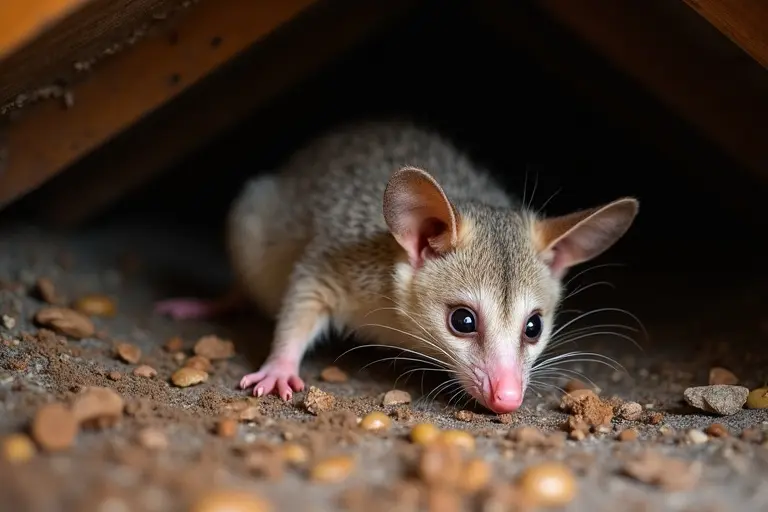
A live possum may still be moving between the roof and outdoor habitat. A carcass cannot be inferred from one quiet night. Some possums use more than one den, and nearby rodents can also produce noises. Explain the history to the person assessing the property.
This distinction is important because possums are protected wildlife in Queensland. The state advises that live possum removal is restricted to licensed commercial relocators, with strict rules for handling and release. A dead-animal removal enquiry should not be used as a reason to trap, harm or relocate a living possum yourself.
Review the Queensland Government's about possums guidance if you suspect ongoing live activity.
How Is a Dead Possum Removed From a Roof Cavity?
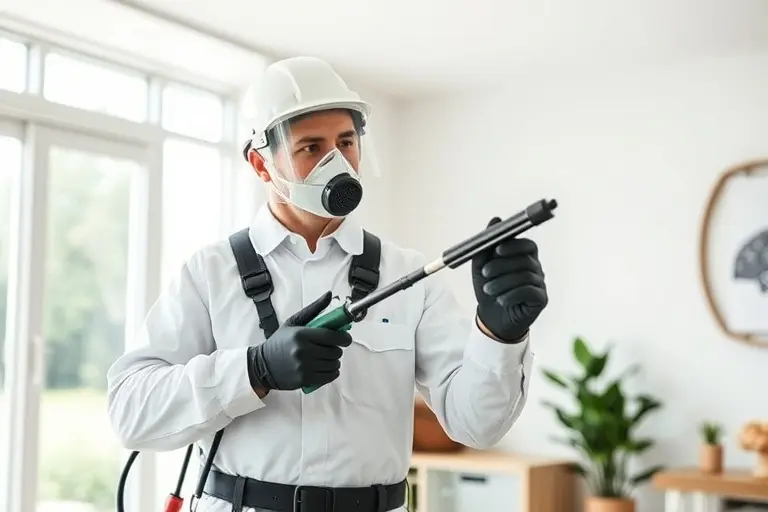
A technician normally begins with the location of the smell, any insect activity, roof layout and accessible entry points. They may inspect through an existing ceiling access hatch or another safe opening. Once the carcass is located and can be reached, it should be handled with suitable protective equipment and contained appropriately for removal.
An older Queenslander with a high roof void may have different access challenges from a low-set modern home. Tight eaves, ducting, wiring, insulation and roof pitch can affect what is possible. If the carcass cannot be reached from an existing access point, the provider should explain the options, likely disruption and any additional repair work before proceeding.
The matching service page is dead possum removal Brisbane, while the broader dead animal removal service may help when the species remains unknown.
What Happens to the Smell After Removal?
Removing the carcass addresses the source, but it may not instantly remove all odour from surrounding materials. Depending on the situation, a technician may recommend cleaning and sanitation of accessible affected surfaces and an assessment of contaminated insulation or other porous material.
The condition of the ceiling cavity matters. An area affected by moisture, flies or prolonged contamination can require a different approach from a carcass removed soon after the first signs. Be cautious of claims that all odour can be eliminated immediately in every roof.
Ventilation and follow-up depend on the space and safe building use. Avoid placing household chemicals indiscriminately into a roof void, particularly around wiring or materials not designed to be wet.
How Can You Reduce the Chance of Another Possum Entering?
Once the immediate problem is resolved, the access issue should be considered separately. Queensland Government guidance points to roof entry points and the importance of preventing re-entry. This does not justify sealing gaps while an animal may still be inside. A competent person should establish whether any live animals remain before exclusion or repair work.
Roof edges, damaged vents and openings near eaves may need attention. Tree branches close to the roof can also provide access routes. Where a living possum is involved, use a licensed wildlife handler and follow Queensland rules rather than relying on DIY trapping.
What Should You Tell the Removal Company?
Give your suburb, property type, location of the smell, when it began and whether heavy footsteps were heard earlier. Mention any roof access hatch and any known repairs, leaks or pest treatment. Describe possible electrical or building access concerns without trying to inspect dangerous areas yourself.
Ask whether the appointment includes location assessment, safe collection if the carcass is reachable, sanitation, odour treatment and advice about entry gaps. If repair work is required, clarify whether it is included or needs a separate trade. An honest response should recognise uncertainty when the animal has not yet been located.
Frequently Asked Questions
How do I know if a possum has died in my roof?
A strong odour, fly activity and previous heavier movement can raise suspicion, but these signs do not prove the animal is a possum. An assessment is needed.
Should I enter the roof to remove a dead possum?
No. Roof cavities can contain unsupported ceiling sections, wiring, sharp materials and contamination. Arrange a suitable inspection and removal service.
Can the smell remain after removal?
Yes. Surrounding materials may retain odour, and additional cleaning or treatment may be appropriate. Outcomes depend on the amount and location of contamination.
Can I trap a possum that is still alive?
Possums are protected in Queensland. Live handling and relocation are regulated; use an appropriately licensed possum relocator and follow official guidance.
Should I seal the roof entry point immediately?
Only after it is established that no live animals will be trapped inside and appropriate lawful exclusion measures are planned. The repair itself may require a suitable trade.
Sources and further reading
The information below is general. A specific roof cavity, protected-wildlife situation or contaminated building area may require specialist advice.
- Queensland Government: About possums — roof signs, protected status and legal possum handling.
- Queensland Government: Removal of snakes, possums and pests — wildlife removal and exclusion guidance.
- Brisbane City Council: Living with wildlife — local advice about possums and licensed pest controllers.
Need a dead possum roof assessment in Brisbane?
Tell Near Me Dead Animal Removal Brisbane your suburb, roof type, location of the smell and any previous possum activity. You can request dead possum removal or contact the team to discuss access, safe retrieval, sanitation and the next steps for roof entry-point checks before booking.