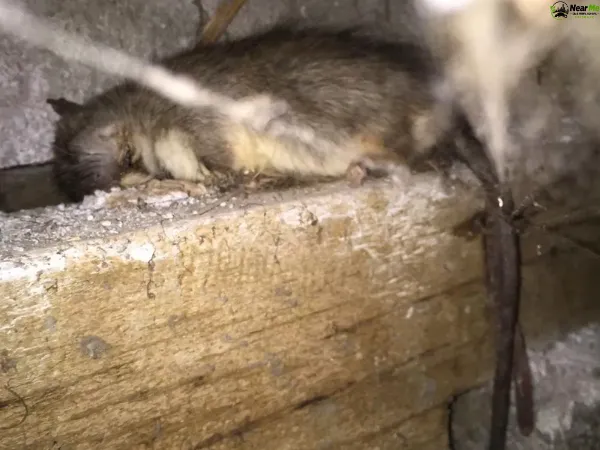
How Much Does Dead Rat Removal Cost in Brisbane?
A dead rat can create persistent odour and contamination concerns, especially when the carcass is concealed in a ceiling, wall, subfloor or other inaccessible cavity. The priority is to locate the source, avoid disturbing contaminated dust and determine whether specialist access is needed.
If you are researching dead rat removal costs in Brisbane, it helps to understand the scope of work and what a technician needs to assess rather than relying on a generic figure. This guide explains the process, preparation, safety considerations and questions to ask for properties in Brisbane.
What influences the scope of dead rat removal in Brisbane?
Property layout, access, material condition, severity of the issue and the need for follow-up all change the work involved. A clear description of the problem allows the team to recommend a suitable inspection and approach. Any proposed treatment should be explained in writing before it begins.
For service-specific information, see Dead Rat Removal Brisbane. Confirm which areas are included and which conditions may require a different method.
Recognising the likely signs
A strong, localised smell, insects around a particular void and recent rodent activity may suggest a carcass, but these signs do not prove the exact location. Other causes of odour should also be considered before opening building materials.
How the source is located
Describe when the smell began and where it is strongest. A professional may inspect roof voids, accessible subfloors, vents or service penetrations. Access decisions should account for electrical hazards, insulation and the possibility of multiple sources.
Safe removal and cleaning
Avoid dry sweeping or vacuuming rodent droppings. CDC guidance recommends wetting contaminated material with an appropriate disinfectant before careful handling.[1] A professional can assess carcass disposal, localised sanitation and the need to replace badly contaminated porous materials.
Preventing another incident
Removal solves the immediate odour source but not necessarily the rodent entry problem. Look for gaps near pipe penetrations, damaged vents and food or water sources. Arrange pest assessment and exclusion work when there are signs of ongoing activity.
Questions to ask before arranging a visit
- What inspection is needed before the method is confirmed?
- What preparation should occupants complete?
- Are there material, access or safety limitations to consider?
- How will you confirm completion and recommend follow-up?
Why local conditions in Brisbane matter
Buildings with roof voids, service penetrations and sheltered storage spaces can conceal activity. Weather, neighbouring properties and access restrictions all affect how inspections are planned. Avoid unsafe access to roof cavities or confined spaces.
Related services to consider
Depending on the assessment, related needs may include dead rodent removal for other carcasses or dead possum removal if the source turns out to be larger. Ongoing live rodent control is a separate pest-management task. These are optional, not automatically part of the requested appointment. Discuss them during the enquiry rather than assuming they are required.
Mapping the source without creating damage
Odour may travel through ventilation openings, cable penetrations and connected wall or ceiling cavities, so the strongest smell in a room does not always locate the carcass directly. Record when the smell started, whether insects appeared and which spaces are most affected. Access through an existing hatch is preferable to opening finished surfaces unnecessarily. Do not climb into fragile roof spaces or disturb electrical wiring; an experienced contractor can decide what inspection is safe.
Understanding contaminated material
A carcass may be surrounded by insulation, dust, nesting material or droppings. The right response depends on whether materials can be safely cleaned or should be removed and replaced. Porous insulation that has absorbed decomposition fluids can remain problematic after the carcass is gone. Cleaning work should minimise exposure and prevent contamination from spreading to living areas. Ask how waste will be contained and how the surrounding area will be assessed before access panels are closed.
Personal safety and hygiene
Do not handle a carcass with bare hands and do not sweep or vacuum dry rodent droppings. CDC guidance recommends wet disinfection methods for rodent contamination and careful disposal.[1] Children, pets and anyone with respiratory concerns should stay away from the affected location. If contamination is extensive or access is confined, professional assistance is sensible. Ventilation can improve comfort, but it is not a substitute for physically removing the source and addressing contaminated material.
Looking for the wider rodent problem
Once the immediate source has been managed, consider why rodents were able to reach the property. Food storage, pet feed, rubbish access, vegetation and openings around services are common areas to review. Look for new droppings, gnawing, scratching or damaged seals in safe-to-access areas. A pest professional may recommend exclusion and monitoring, with follow-up timed to confirm that activity has stopped. Dead-animal retrieval and rodent prevention are related but separate tasks.
Recognise a possible hidden source
An unpleasant smell can travel through wall cavities, roof voids and ventilation routes, so the strongest odour in a room may not be directly beside the source. Note when the smell began, whether it changes with weather and where insects are appearing. Do not cut into ceilings or walls to search without understanding electrical and structural risks. A professional can evaluate accessible spaces and explain whether invasive access is actually justified.
Handle contaminated areas cautiously
Rodent remains and droppings can present hygiene risks. Keep children and pets away from affected spaces and avoid sweeping, brushing or vacuuming dry droppings, which can disturb contaminated particles. Follow public-health guidance for wetting and disinfecting contaminated surfaces, with suitable protective equipment. If the area is difficult to access, heavily contaminated or close to insulation and ducts, professional assessment is preferable to a rushed household cleanup.
Investigate the entry route
Removing one carcass does not explain how the animal entered the property. During inspection, look for damaged vents, gaps around pipes, poorly sealed doors and roofline openings. Food scraps, unsecured bins and pet food can encourage continued rodent activity. Sealing holes should be coordinated with a broader control plan so animals are not trapped inside. Keeping notes of sightings and scratching noises helps identify locations where monitoring is most useful.
Confirm the area is ready for use
After removal, ask what surfaces were cleaned, whether contaminated porous material needs further assessment and which spaces remain inaccessible. Lingering odours do not always mean another animal is present; however, a renewed or worsening smell should be checked rather than covered with fragrance. Keep a dated record of insect sightings and other signs over the following days. This can help distinguish a one-off event from a continuing infestation requiring additional control work.
Frequently Asked Questions
Can the service be arranged without an on-site assessment?
You can normally submit an enquiry first, but photographs and a short description may not reveal hidden damage, material restrictions or inaccessible areas. Ask whether inspection is required.
What should I tell the team before booking?
Provide your suburb, preferred visit window, access details, the affected rooms or areas, any previous work and relevant safety concerns. For dead rat removal, photographs can help explain the situation.
How should I prepare the property?
Keep the work area accessible, secure pets and children, and follow any specialist instructions. Avoid unapproved chemical mixtures or disturbing contaminated areas.
Will one appointment always resolve the issue?
Not necessarily. Deep contamination, persistent moisture, hidden entry points or continued pest activity may call for further inspection, structural work or monitoring.
Book dead rat removal in Brisbane
To request a visit, submit one enquiry for Dead Rat Removal Brisbane. Add your Brisbane suburb, preferred date, property type, affected areas, photos if available and any relevant safety or care-label information. Ask the team to confirm availability, scope and preparation requirements before you book.
Request an assessment from Near Me or call 07 3778 7159 to discuss the relevant service and arrange the next steps.