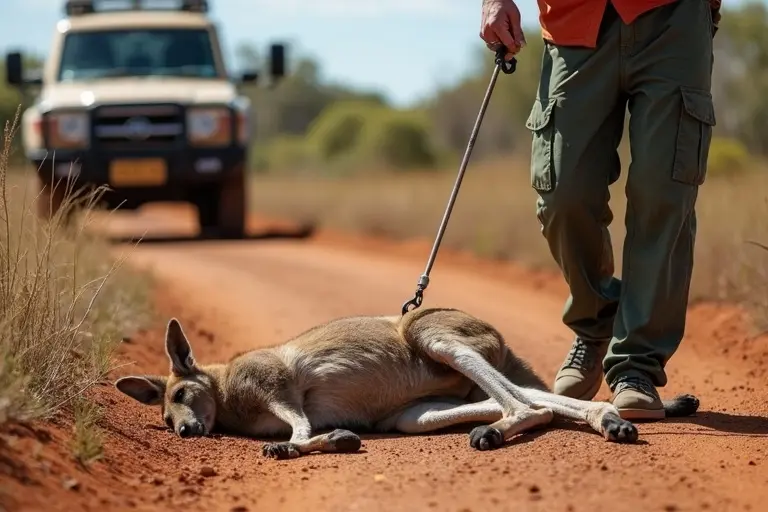
Who Removes Dead Animals From Roads in Brisbane? Council vs Private Services
Finding a dead animal on a Brisbane road is upsetting, particularly when the animal is blocking traffic or may still have a living young animal nearby. The important first question is not which private company can attend, but who controls the location and whether there is an immediate road-safety concern.
For a deceased animal on a Brisbane local road, Brisbane City Council is generally the appropriate first contact. For a highway or other state-controlled road, the Queensland Department of Transport and Main Roads is responsible for road-hazard reporting. A private dead animal removal provider is usually more relevant when a carcass is located on private land or within a building, subject to the species and any applicable rules.
Who Should You Contact for a Dead Animal on a Brisbane Local Road?
Brisbane City Council advises that deceased animals on Brisbane local roads can be reported to its 24-hour Contact Centre on 07 3403 8888. Council also explains that it may retrieve deceased animals from roads and footpaths, including checking for pet identification where appropriate.
When reporting, give a clear location: street name, nearest intersection, direction of travel, landmark and whether the animal is in a traffic lane, bike lane or roadside verge. Say if the animal is creating a hazard. Do not attempt to drag a carcass across moving traffic or stop your vehicle in an unsafe place.
You can find official information on Brisbane City Council's wildlife movement page and its impounded animals guidance.
What If the Animal Is on a Highway or State-Controlled Road?
Queensland Transport and Main Roads accepts reports about road hazards, including dead or living animals. For an urgent hazard on a state-controlled road, the published number is 13 19 40. Major roads may include motorways, highways and other state-managed arterial routes. The department provides a road-lookup resource when it is unclear who owns a particular road.
Do not assume that every road with a Brisbane postcode is managed by Brisbane City Council. If the animal is near motorway traffic or an unfamiliar major road, start with the official Queensland road-hazard reporting guidance and follow the instructions for state-controlled roads.
What if you are unsure who owns the road?
Note the exact location and check the state road lookup or call the relevant authority for direction. If the animal creates an immediate traffic danger, report the hazard promptly using the appropriate road-safety channel rather than walking into the carriageway to investigate.
Council vs Private Removal: What Is the Difference?
| Location | Best starting point |
|---|---|
| Brisbane local road or council-managed footpath | Brisbane City Council |
| State-controlled highway, motorway or major state road | Queensland Transport and Main Roads |
| Private driveway, garden, roof space or under a private building | Property owner/manager and an appropriate private service |
| Injured or living wildlife | Wildlife rescue or relevant animal welfare service, not carcass collection |
Public agencies and private providers have different responsibilities. A business that offers removal from private properties should not be presented as the default replacement for a public-road reporting system. Response and collection arrangements can depend on the precise location, jurisdiction and animal involved.
For private-property situations, Near Me Dead Animal Removal Brisbane has animal-specific services. A dead bird in a gutter or on private premises, for example, may match the company's dead bird removal service.
What If a Dead Animal Is on Your Driveway or Private Property?
First establish whether the carcass is clearly within the property boundary. Avoid handling it unnecessarily, keep children and pets away, and contact the property owner or manager if you are renting or managing a shared site. For domestic pets, identification and aftercare considerations may need attention. For native wildlife, other requirements can apply.
A private service can discuss removal where the carcass is on private land, in a roof void or an inaccessible building area. Explain the species if known, location, ease of access and whether any sanitation is needed. Do not describe a roadside incident as a private-property job simply because it is in front of your home.
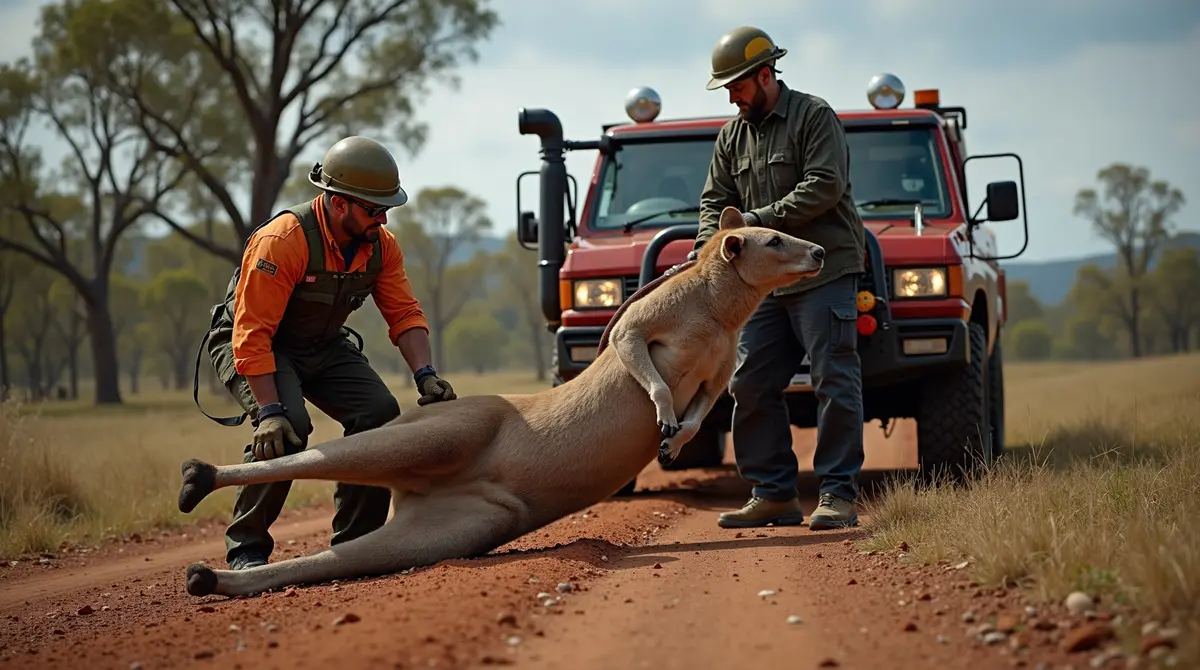
What About a Dead Possum, Kangaroo or Other Native Animal?
Queensland has special considerations for native wildlife. A recently deceased marsupial may have live young in its pouch. Queensland Government advises checking for the possibility of young, but this does not mean putting yourself in traffic or handling a carcass without suitable safety knowledge. Contact wildlife rescue or the appropriate authority for advice if live young may be present.
Do not transport or collect protected wildlife for personal purposes without checking applicable rules. If an animal is alive but injured, the priority is rescue advice rather than dead-animal collection. Queensland's reporting injured or dead animals guidance explains when government wildlife reporting may be relevant.
How Do You Report the Location Clearly?
The details below help an authority find the location and understand the risk:
- Road or street name and nearest cross street.
- Suburb and nearest safe landmark.
- Whether the animal is in the lane, gutter, bike lane, footpath or verge.
- Approximate animal size or species, if safely identifiable.
- Whether it appears to be creating an immediate traffic hazard.
- Whether you suspect a living animal or joey may be involved.
You do not need to approach the carcass for a close photograph. A description from a safe location is more useful than risking personal injury.
Why Not Move the Animal Yourself?
Moving a carcass from a road can put you in the path of traffic and expose you to biological hazards. Hazards are especially serious on busy roads, at night and near bends where drivers may have limited visibility. Allow the responsible agency or suitably equipped responder to determine how to manage the scene.
Where a carcass is on private premises, different arrangements may apply, but safe handling and appropriate disposal should still be considered. If the situation involves a pet, owner identification and respectful handling may be important.
Frequently Asked Questions
Does Brisbane City Council collect dead animals from roads?
Yes, Council publishes a contact route for deceased animals on local Brisbane roads and advises reporting them through its 24-hour Contact Centre on 07 3403 8888.
Who removes a dead animal from a Brisbane motorway?
For a hazard on a state-controlled road, report it to Queensland Transport and Main Roads. The published urgent hazard number is 13 19 40.
Will a private company collect roadkill from a public road?
Public-road incidents should be reported to the responsible road authority first. Private-service suitability depends on the location, permissions and circumstances.
What if the animal is on my driveway?
A driveway within private land is different from a road or public footpath. Contact the owner or manager and discuss an appropriate private collection service if necessary.
Who should I contact if the animal is still alive?
Do not treat it as a deceased-animal disposal job. Seek advice from an appropriate wildlife rescue or animal welfare service, particularly if an injured native animal is involved.
Sources and further reading
Public-road responsibilities and contact details can change. Always check the official source before reporting a current incident.
- Brisbane City Council: Wildlife movement solutions — deceased animal reporting for local Brisbane roads.
- Brisbane City Council: Impounded animals — Council's information on retrieval and identification from roads or footpaths.
- Queensland Government: Reporting road conditions — state-controlled road hazards and reporting contacts.
- Queensland Government: Reporting an injured or dead animal — wildlife-specific considerations.
Need private-property dead animal removal in Brisbane?
If the animal is on a local road or state-controlled road, report it to the responsible public authority first. If the carcass is on your private property, under a building, in a roof or in a garden, describe the location to Near Me Dead Animal Removal Brisbane or contact the team to discuss suitable removal and sanitation. For a bird on private premises, see the matching dead bird removal service.