Dead Animal Smell in a Brisbane Rental: What Should Tenants Photograph and Report?
Tenant advice | Brisbane, Queensland
If a rental suddenly smells like decomposition, photograph the area without opening walls or touching the carcass, record when and where the odour is strongest, and report the problem to the property manager or owner in writing. Ask for the suspected source to be located, removed and the affected area cleaned. Keep copies of every message, photo and reply.
Key Takeaways
- Photograph visible evidence, access points, stains, flies and the surrounding condition, but do not handle a carcass or dismantle the rental.
- Report the smell promptly in writing with its location, timing, changes in intensity and any health or access concerns.
- Ask for a written plan: who will inspect, whether a specialist is needed, what will be sanitised and how access will be arranged.
- Do not assume the animal is a rat. A concealed rodent, possum, bird or other source can smell similar, and wildlife may need a different response.
- Queensland tenancy and health questions are best checked with the RTA, a qualified professional or the relevant council or wildlife authority.
A dead-animal smell is unpleasant, but it is also a property-maintenance problem that can be difficult to describe from memory. In a Brisbane rental, good documentation helps the manager understand the location, decide how urgently to respond and distinguish an odour source from a leak, mould issue, sewer problem or pest activity. It also gives you a clear record of what you observed before anyone enters, opens a ceiling or arranges removal.
Your role is to observe, document and report. You are not expected to diagnose the species, crawl into a roof cavity or prove who is responsible before asking for help. The Queensland Residential Tenancies Authority explains that rental repairs may be routine or emergency, and that the property manager or owner must carry out repairs within a reasonable time. Whether a particular odour meets an emergency threshold depends on the facts, so describe the risk rather than applying a legal label yourself.
What should a tenant photograph first?
Start with wide, well-lit photographs that show where the issue is in the property. Take one image from the doorway, one from the middle of the room and closer images of any visible evidence. A manager who has never visited the home should be able to understand the location from the photographs without guessing.
1. The source area and its surroundings
Photograph the ceiling, wall, skirting board, cupboard, subfloor access, garage, shed or outdoor area where the smell is strongest. Include fixed features such as a downlight, air-conditioning vent, window, door or kitchen appliance so the location can be identified later. If the odour moves, take a simple series from each affected room and label the images with the room name.
2. Visible stains, dampness or damaged materials
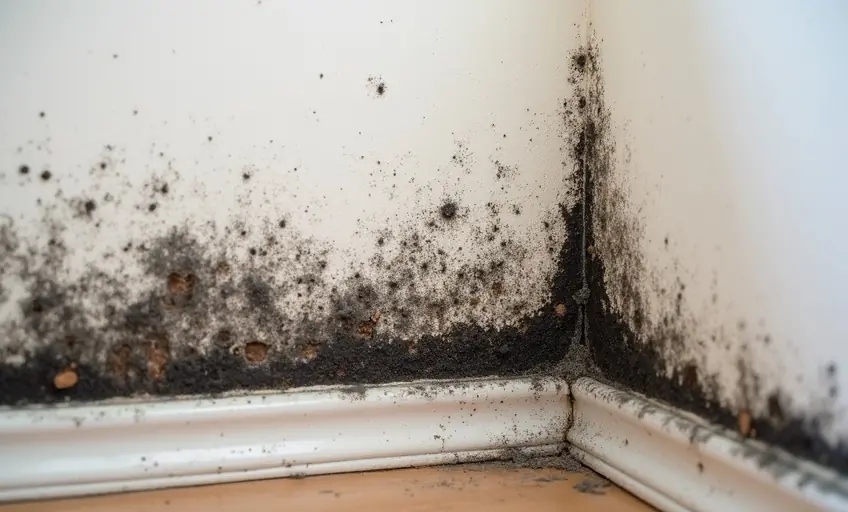
Take close and wide photographs of discolouration, wet patches, greasy marks, bubbling paint, damaged plasterboard, disturbed insulation, droppings or a gap around pipes and vents. These signs do not prove that a carcass is present. They simply show why an inspection may need to consider the roof space, wall cavity, subfloor or another building defect.
3. Flies, larvae or unusual pest activity
If flies are clustering around a ceiling fitting, window, vent or particular wall, photograph the activity from a safe distance. Do not put your hand near insects or attempt to remove larvae. Note whether activity is worse at a particular time of day, especially after heat builds up in an enclosed roof or wall space.
4. The condition of the access point
Photograph the manhole, ceiling panel, cupboard kickboard, vent cover, loose tile or external hatch before anyone opens it. If an access cover is already displaced, photograph it as found. This protects the condition record and helps the contractor bring suitable equipment. Do not create a new opening, remove a light fitting or enter a confined cavity just to improve the evidence.
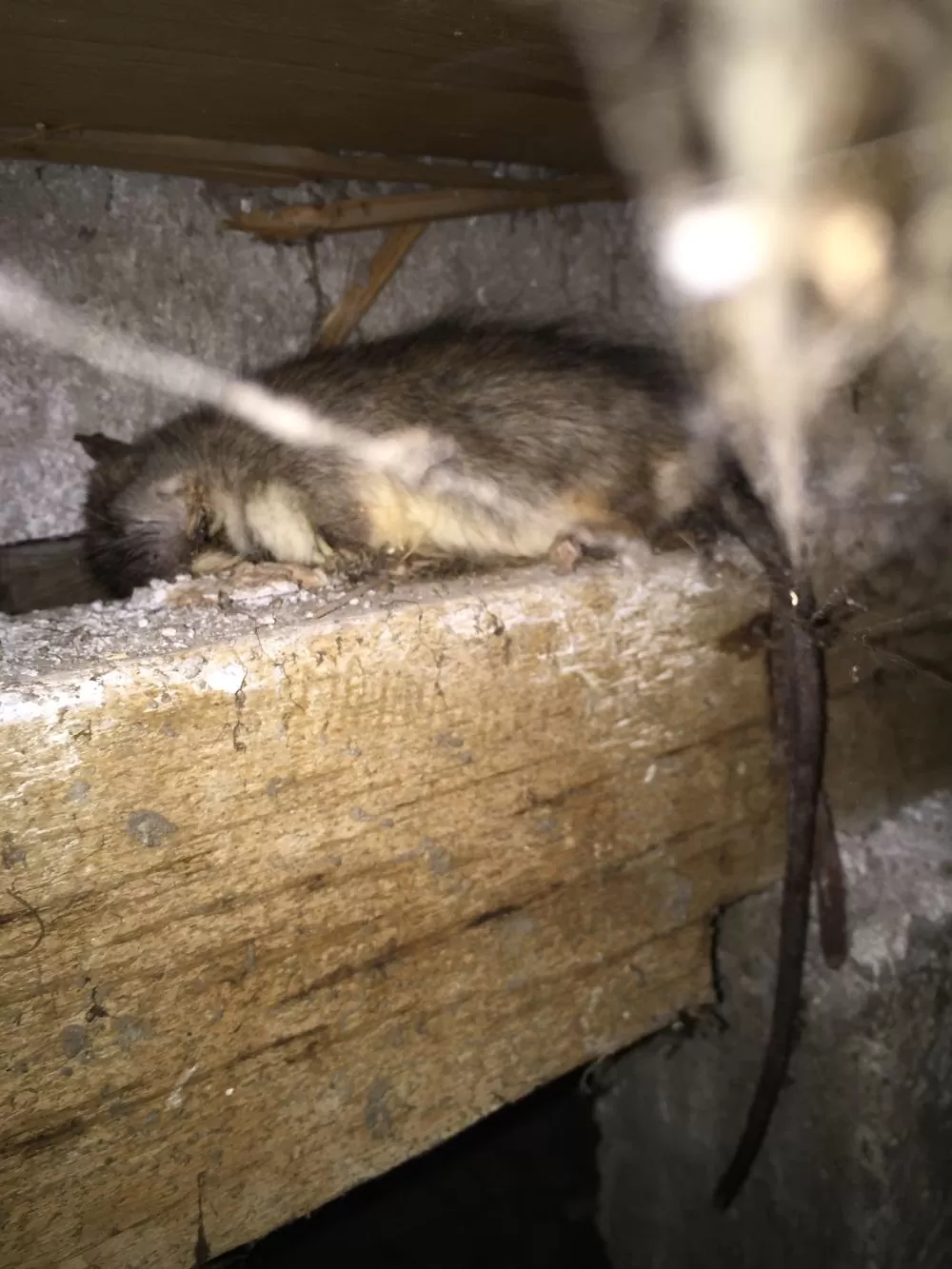
5. A visible carcass, only from a distance
If the animal is visible and you can photograph it without approaching, take a distance image and, if safe, one closer image using zoom. Avoid graphic images in ordinary email subject lines if others share the account; a short description can be enough. Never touch it, sweep it, vacuum it or place it in a household bin without appropriate advice. Queensland Government guidance says people should minimise handling carcasses and use suitable protective equipment, including gloves, covered clothing, respiratory and eye protection where handling is necessary.
What details should be included in the report?
Send one calm, factual message through the channel required by your tenancy agreement, then use email or the agency portal so the report is time-stamped. A useful subject line is: Maintenance request: persistent decomposition smell in [room/location]. Include the date you first noticed it and ask the recipient to confirm the next step.
Describe the smell in ordinary words: sickly, rotten, musky, ammonia-like or strongest near the ceiling. Avoid stating “there is definitely a dead rat” unless you actually saw one. Instead write “I suspect a dead animal in the roof or wall because the smell is strongest above the bedroom and has intensified since Tuesday.” If there is another plausible cause, say that too. Clear uncertainty is more useful than an overconfident diagnosis.
Include these practical details:
- the rooms, surfaces or outdoor areas affected;
- when the smell began and whether it is getting stronger;
- whether heat, rain, ventilation or use of air conditioning changes it;
- any flies, larvae, staining, noise that stopped, droppings or visible animal;
- whether children, pets, allergy sufferers or anyone unwell may be exposed;
- whether the problem prevents normal use of a bedroom, kitchen, bathroom or entry;
- the photographs and a short video, if a moving fly cluster or leak is relevant;
- your availability for a lawful inspection or contractor appointment.
Ask specific questions: “Can you please arrange an inspection of the suspected cavity?”, “Who will organise removal?”, and “Will contaminated insulation or plasterboard be assessed and the area sanitised if required?” A request for inspection is not an accusation. It gives the manager a workable path to action.
How do you create a useful evidence trail?
Keep the original photographs, not only edited versions. Write the date in your message because metadata can be stripped by an app or portal. Create a folder with the property address, then save the report, photos, replies, entry notices and invoices or receipts connected with the issue. If the smell is not inspected immediately, keep a short odour diary noting the room, time, strength and any flies or staining. This is more useful than repeated messages that only say “still smells.”
If a contractor attends, note the arrival date, the area inspected, what was found and what remains unresolved. You can ask for the work order or a short written summary. If someone says the source was not found, send a follow-up stating that the odour continues and identifying the strongest location. A failed first inspection does not prove the complaint was incorrect; concealed sources can require a more targeted assessment.
What should tenants avoid doing?
Do not cut into plasterboard, pull out insulation, dismantle a duct, climb across roof framing or enter a low subfloor. These actions can cause injury and may create a separate repair issue. They can also spread contaminated material or make it harder to locate the original source. If an access hatch is already available, ask the manager whether a qualified person should inspect it rather than entering yourself.
Do not mix bleach, ammonia or other cleaning chemicals in an attempt to overpower the odour. Avoid fogging products, pesticides and household deodoriser until the source and material compatibility are known. Ventilate only when doing so is safe and practical. If the smell causes nausea, headaches, breathing irritation or other symptoms, leave the affected area and seek medical advice; do not treat this article as medical guidance.
Do not move a dead animal unless a responsible professional or relevant authority has told you how to do it safely. The Queensland Government’s carcass-disposal guidance warns that carcasses, wet soil and water can carry bacteria that cause serious illness, and recommends limiting handling and washing hands after contact. That guidance is general and is not a substitute for advice about a small household carcass, protected wildlife or a contaminated rental building.
Who should a Brisbane tenant report it to?
Report the issue to the property manager or owner using the nominated maintenance process. If the source may be in a shared ceiling, service duct, common garden or body-corporate area, copy the building manager or strata contact if your agreement directs you to do so. Keep the message focused on the location and impact. The property manager can then decide whether to send a general maintenance contractor, pest professional, wildlife specialist or dead-animal removal service.
If the evidence points to a rodent in a concealed cavity, you can share the site’s dead rodent removal Brisbane service page as an option for the owner or manager to consider. The page describes concealed roof, wall and subfloor locations and explains that access and sanitation should be assessed rather than guessed. Tenants should not independently approve chargeable work unless their agreement or the owner expressly allows it.
For background before you report, the site’s guide on identifying what animal may have died in a wall or roof can help you describe patterns without claiming certainty. Its pre-call checklist for a dead animal in a house is also relevant when you need to note the strongest odour point and what not to disturb. These are service-site resources, not legal or medical advice.
When might the report need urgent attention?
Use the emergency maintenance pathway if there is an immediate health or safety risk, the issue makes essential facilities unusable, there is an active leak or electrical hazard, or the smell is accompanied by significant contamination. Follow your tenancy agreement and Queensland’s official process rather than assuming every unpleasant smell is legally an emergency. The RTA’s repairs guidance links to separate routine and emergency repair information, and it notes that repair responsibility can depend on the cause, including tenant damage or fair wear and tear.
Safety first
If anyone has difficulty breathing, faints, develops severe symptoms or may have been exposed to a hazardous substance, leave the area and contact emergency or health services as appropriate. For tenancy disputes, contact the Queensland RTA. For protected or injured wildlife, contact the relevant Queensland wildlife authority or a wildlife carer. A dead animal in a rental may involve several different professionals.
Do not threaten, withhold rent or agree to deduct a contractor’s invoice from rent based only on a blog article. Those decisions can have legal and financial consequences. If the owner or manager does not respond, keep your records and obtain tenancy advice from the RTA or a qualified tenancy adviser about the options available for your circumstances.
What if it is a possum, bat or other wildlife?
A photograph can help a professional identify the broad category of animal, but it does not establish whether it is protected wildlife or how it should be handled. Do not touch bats, flying foxes, snakes or unfamiliar wildlife. Keep children and pets away, close internal doors where practical, and report the location accurately. A live, injured or trapped animal needs a different response from a carcass in a wall.
If you see a live animal, describe its behaviour and condition rather than trying to catch it. If you are unsure whether it is alive, do not approach to check. Seek advice from the relevant Queensland wildlife service, council or wildlife professional. This is especially important when the animal is in a shared roof, near power, or in a place where an untrained person could fall.
How should the area be checked after removal?
Ask the manager or service provider what was removed, where it was found and what cleaning was completed. Removal and odour masking are not necessarily the same as cleaning. Depending on the location, the response may involve contained removal, surface disinfection, treatment of flies or larvae, replacement of contaminated porous material, and inspection for the entry point. Not every job needs every step, so ask for an explanation rather than demanding a particular chemical or treatment.
After the visit, take new photographs of the access panel, ceiling, wall or floor. Note whether the smell is gone, reduced or unchanged over the next few days. If it remains, report that promptly and identify the exact area. Persistent odour may mean that a second source, contaminated material or a building defect still needs attention.
Frequently asked questions
Can I ask my landlord to pay for dead animal removal?
You can report the problem and ask the owner or property manager to arrange and pay for an appropriate inspection or service. Who is responsible depends on the cause, the tenancy agreement and the facts. Do not book chargeable work or deduct it from rent without written authorisation or proper tenancy advice.
Should I send graphic photographs?
Send enough evidence to identify the issue, but a distance photograph and a clear description are usually preferable to unnecessary graphic detail. If the animal is in a dangerous or inaccessible location, do not approach for a better image. Your safety matters more than a close-up.
What if the smell is in a wall and nothing is visible?
Report the strongest location, timing and changes in intensity. Photograph the wall, nearby vents, power points, skirting and any staining. A concealed source may require professional locating and targeted access. Do not cut the wall yourself.
Can air freshener solve the problem?
It may temporarily cover the smell, but it does not remove the source or assess contamination. Avoid masking the odour before the inspection. Ventilate safely and report the underlying problem.
What if my property manager says to wait?
Ask what waiting period is intended, what signs should trigger an earlier call and who will follow up. Keep a written record of the request and any continuing impact. If the smell worsens, affects health or makes a room unusable, update the report with those facts and seek tenancy guidance if communication breaks down.
Conclusion: document first, report clearly, and leave removal to the right person
The best tenant report is specific without pretending to diagnose the animal. Photograph the location and visible evidence, record the timing and impact, send the report in writing, and preserve the replies. Keep away from roof cavities, carcasses and wildlife, and give the owner or manager a clear opportunity to arrange an appropriate inspection.
A Brisbane rental can develop a dead-animal odour in a roof, wall, subfloor, duct or outdoor area, and the right response depends on access, species, contamination and tenancy arrangements. Careful documentation makes the next step faster and fairer for everyone involved.
Sources and further information
- Queensland Residential Tenancies Authority, “Repairs” — general information about routine and emergency repairs and repair timing.
- Queensland Government, “Carcass disposal” — general safety information about handling carcasses and protective equipment.
This article is general information for Brisbane renters. It is not legal, medical, veterinary, wildlife, council or biohazard-remediation advice. Check the current official guidance and your tenancy agreement for your circumstances.
Need the smell assessed?
If your Brisbane rental has a suspected dead rodent in a roof, wall or subfloor, document the area and ask the owner or property manager to arrange an assessment. You can also review the Dead Rodent Removal Brisbane service and request a quote or book an assessment through the service page. Do not enter a confined cavity or handle the carcass yourself.
Urgent hazards, suspected contamination, electrical risk, fire damage or protected wildlife should be handled by the relevant emergency service or an appropriate professional.